THE USES OF
SOLAR ENERGY
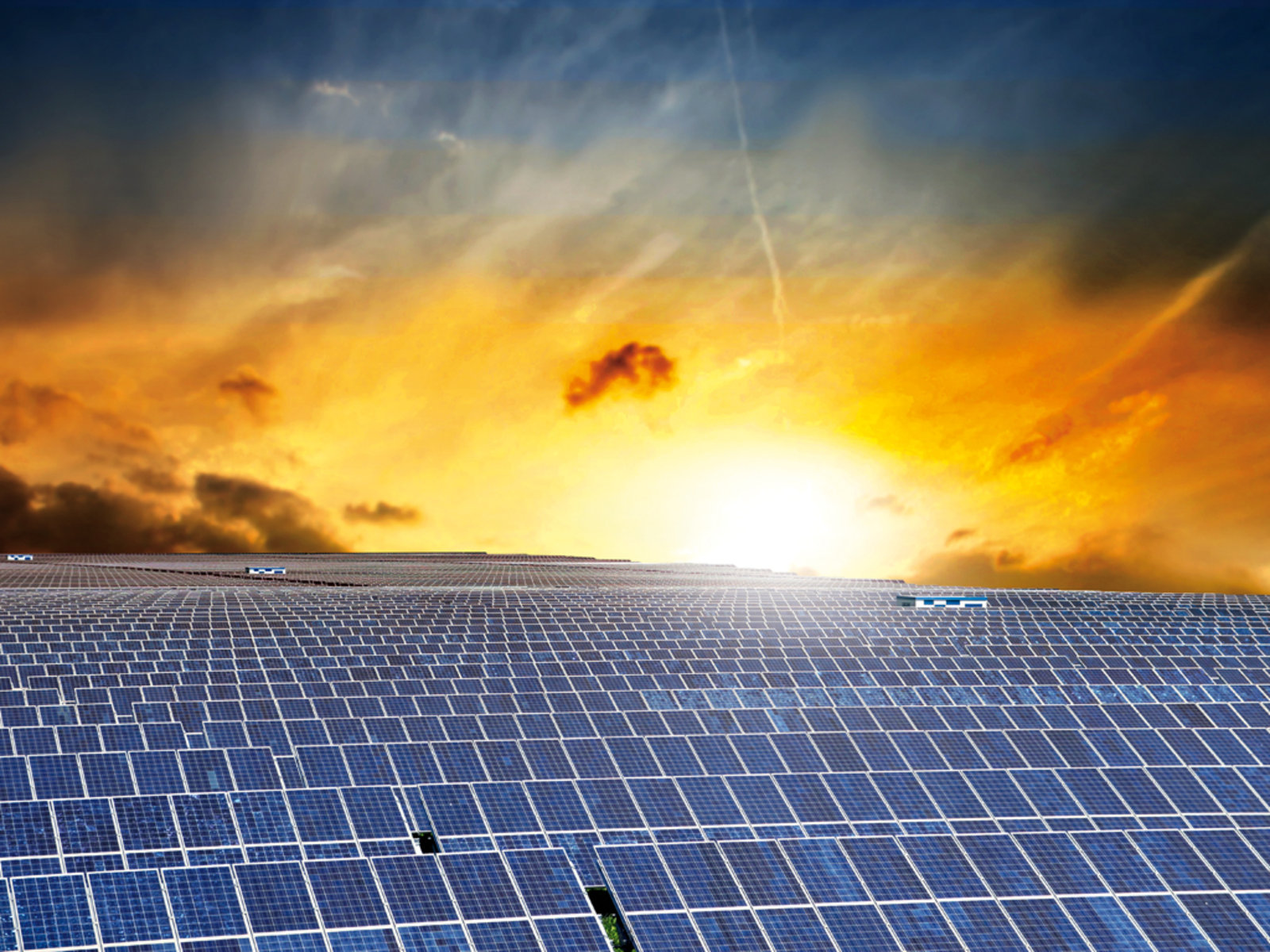


In an era marked by the urgency of mitigating climate change and transitioning to sustainable energy sources, photovoltaic cells have emerged as an integral technology in the realm of renewable energy. But what exactly are photovoltaic cells, and how do they play a vital role in shaping our energy landscape? In this blog post, we will delve into the world of photovoltaic cells, uncovering their mechanism, benefits, and potential impact on our planet's future.
At its core, a photovoltaic (PV) cell, commonly known as a solar cell, is an electronic device that directly converts sunlight into electricity. This process, known as the photovoltaic effect, was first observed by French physicist Edmond Becquerel in 1839. However, it wasn't until several decades later that PV cells evolved into practical sources of renewable energy.
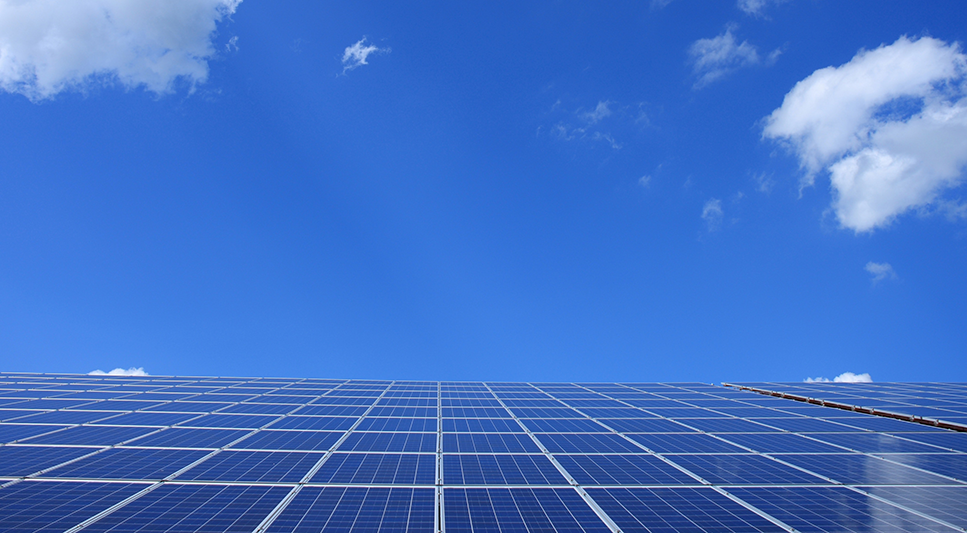
PV cells are typically made from semiconductor materials, with silicon being the most commonly used material due to its abundant availability and favorable electronic properties. When sunlight—composed of tiny packets of energy called photons—strikes the surface of a PV cell, it can dislodge electrons from their normal positions within the semiconductor material. This displacement of electrons generates an electric current, which can then be harnessed for various applications, from powering homes to charging electric vehicles.
The working principle of a photovoltaic cell is based on the interaction between photons and electrons within the semiconductor material. This interaction involves several key steps:
As global efforts to transition to sustainable energy sources intensify, the role of photovoltaic cells becomes increasingly crucial. Advances in technology have led to improved efficiency, reduced costs, and greater integration possibilities for PV systems. Research continues to focus on enhancing the efficiency of PV cells, exploring new materials, and developing innovative designs to harness even more of the sun's energy.
In conclusion, photovoltaic cells stand as a testament to human ingenuity and innovation in harnessing the power of the sun. With their ability to convert sunlight into electricity, these cells offer a promising solution to our energy needs while contributing to a cleaner, greener future for generations to come. As the world embraces renewable energy, photovoltaic cells will undoubtedly play a central role in shaping the landscape of sustainable power generation.
Read more link text
As the days grow shorter and the temperature begins to drop, it's important for solar system owners to start thinking about how to protect and prepare their investment for the harsh winter months. Winter weather can present unique challenges for solar panels, batteries, and other components, so taking proactive steps to ensure their efficiency and longevity is crucial. In this blog post, we'll discuss a comprehensive guide on how to prepare your solar system for winter weather.
Before winter arrives, it's essential to conduct a thorough inspection of your solar system. Check for any visible damage, such as cracked or broken panels, loose wiring, or signs of corrosion. If you spot any issues, address them promptly to prevent further damage during winter storms.
Overhanging branches and dense vegetation can cast shadows on your solar panels, significantly reducing their energy production. During the winter months, when the sun's angle is lower, shading can have a more significant impact. Trim any trees or shrubs that might obstruct sunlight and cast shadows on your panels.
Dirty or dusty solar panels can result in reduced energy output. Fallen leaves, bird droppings, and accumulated grime can all hinder the efficiency of your system.
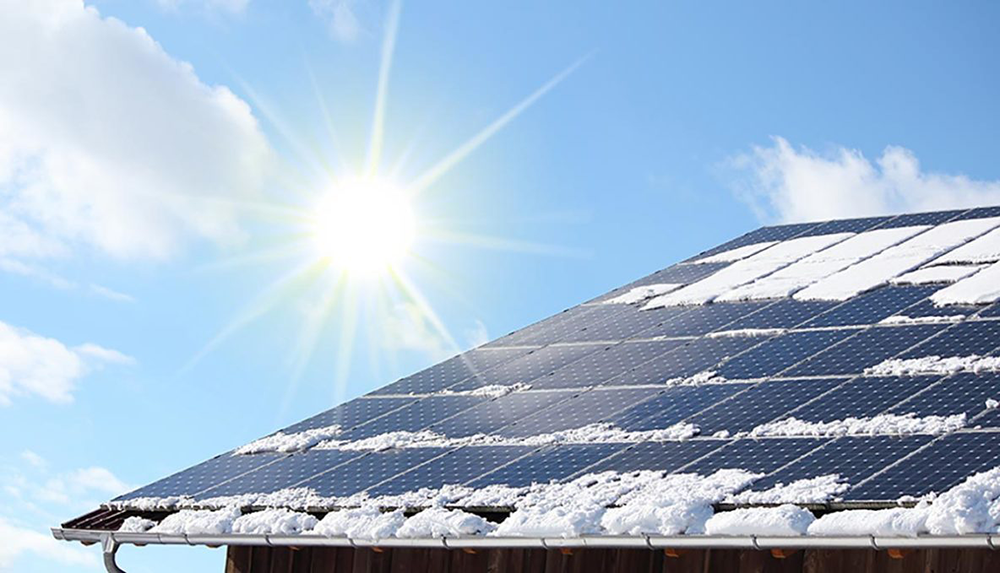
Before winter sets in, give your panels a thorough cleaning to ensure maximum sunlight absorption. Use a soft brush, a gentle cleaning solution, and a hose to remove any debris.
The mounting system that holds your solar panels in place should also be inspected for any signs of wear or damage. Tighten any loose bolts and ensure that the panels are securely fastened. Additionally, clean any dirt or debris that might have accumulated around the mounting system, as this can affect its stability.
If you have a solar battery storage system, it's essential to check the battery's health before winter arrives. Cold temperatures can impact battery performance, so ensure that the battery is properly charged and functioning optimally. Consult your battery's manufacturer for specific guidelines on winter maintenance.
The inverter is a critical component of your solar system that converts the DC power generated by the panels into AC power usable by your home. Cold temperatures can affect inverter performance, so monitor its functionality and efficiency. If you notice any issues, contact a professional to diagnose and address the problem.
If you live in an area prone to heavy snowfall, consider the impact of snow accumulation on your panels' performance. While some snow can slide off on its own, accumulated snow can impede sunlight absorption. Use a soft snow brush or a snow rake with a long handle to gently remove snow from the panels, avoiding any excessive force that could damage them.
In case of severe winter weather that reduces solar energy production, it's wise to have a backup power plan in place. This could involve connecting to the grid temporarily or using a generator to ensure you have power during periods of low sunlight.
Winter weather can pose unique challenges to your solar system, but with proper preparation and maintenance, you can ensure that it continues to operate efficiently throughout the colder months. Regular inspections, cleaning, and monitoring of your system's components will go a long way in maximizing its performance and longevity. By following the tips outlined in this guide, you'll be well-equipped to embrace the winter season while enjoying the benefits of your solar investment.
Read more link textClimate change has been identified as one of the most pressing challenges facing the planet and in an effort to stem global warming there has been a focus on the ways that societies can use renewable energy sources to cut down on harmful carbon emissions that are the result of burning fossil fuels.
One of the most promising of the renewable energy sources is solar energy.
However there are numerous ways - other than the installation of solar panels (although these are an important part of the mix) that can harness the suns energy to contribute to saving the planet.
Here are 8 ways that the suns energy can be used.
 Getting the most obvious out of the way first the installation of a solar system for your house is a great idea. Installing solar panels to generate electricity dramatically cuts down on CO2 emissions. Some studies have shown that solar panels reduce the emission of CO2 by up to 91% when compared to suing electricity generated by the burning of coal.
 Rather than plug your mobile or tablet into a wall socket where it will be suing electricity generated by the burning of fossil fuels buy a solar charger. Newer models are portable and offer a quick and easy solution to charging - without adding to the CO2 burden in our atmosphere.
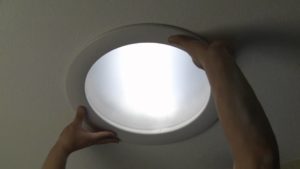 Installing a skylight in your home is a great way to keep your home warm in the cooler months. It cuts down on heating bills and directly reduces the need to burn fossil fuels. Besides which they are an attractive feature that increases the value of your home.
 There are several models of solar powered garden lights available on the market today. Using these cuts down on electricity bills and they are maintenance free. Use them to light up garden paths and other outdoor features. There are even models of floating pool lights which harness the power of the sun and automatically light up when darkness falls.
 Rather than install expensive heating equipment use a solar pool covering. They harness the suns energy to keep your pool at a temperature whcih will allow you to enjoy your pool year round.
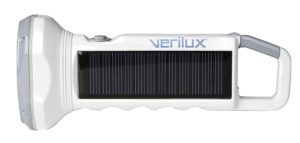 There are huge variety of solar powered flashlights available on the market today. The latest technology means that these flashlights hold a charge for far longer than ever before. There are also models that have been designed for use as hanging lights in tents while camping.
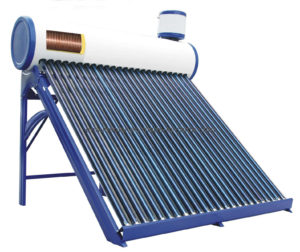
Solar water heaters are in widespread use throughout the world. In Canada for instance over 600,000 m2 over solar water heating collectors have been installed. These cost on average less then $10,000 to install and can provide up to 90% of the heating that is required to keep the water in an average household piping hot.
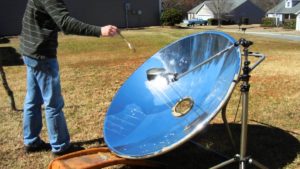 Using solar power to cook or heat food has become widespread, especially in developing nations. Simple parabolic heaters in these countries are contributing directly to protecting increasingly scarce supplies of wood. By doing this they also prevent soil erosion, as well as preventing respiratory aliments that accompany the burning of wood to cook food.
A low tech bonus use: Use the power of the sun to dry your clothes on a washing line. It reduces the need for spin dryers and reduces the burden on the electricity grid.
The power of the sun offers nearly limitless possibilities. We need to explore new and innovative ways to harness this energy - for the good of our planet.
Read more link textAre you interested in making the switch to solar energy, at least partially? Do you want to know which solar panel brands have the best reputation in the industry? While there are many contenders, you have several options available, each with benefits and drawbacks. You can take a look at the information available and decide for yourself which solar panels are most suitable for your property or properties.
First of all, it is important to take a look at energy choices and how they impact your life. Since indoor wiring became a common thing across the nation, most folks have depended on their local utility companies to provide them with home power. While some might have continued to use wood to heat the home, or switched to natural gas for their kitchen appliances, the majority of home energy consumption across the country was used and tracked through the local utility. However, that practice has come under scrutiny in recent years.
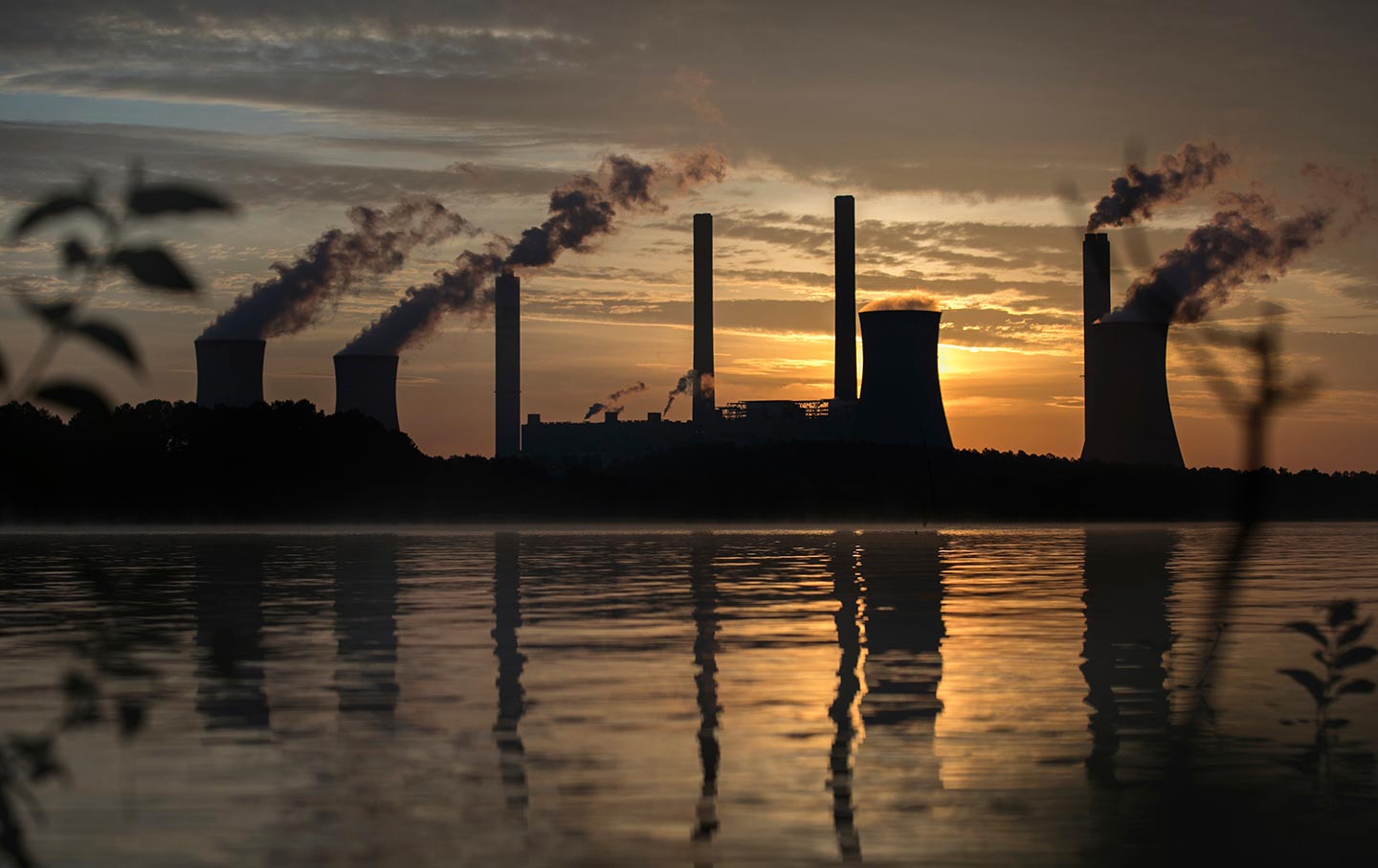
The electrical companies have different ways of creating power for their customers, including dams. Each has some degree of environmental impact that causes concerns for those who are dependent on the power supply and those who live near the plants. As with motor vehicles, the industry is highly reliant on fossil fuels, which are not going to last forever. The more folks that see and accept this reality, the more available alternatives become.
The modern homeowner has the opportunity to use solar panels to create their own electricity. In the event more energy is created than used, the power company can buy the excess. Rather than receiving an electric bill every month, some people have enough panels to receive a monthly check from their utility provider.
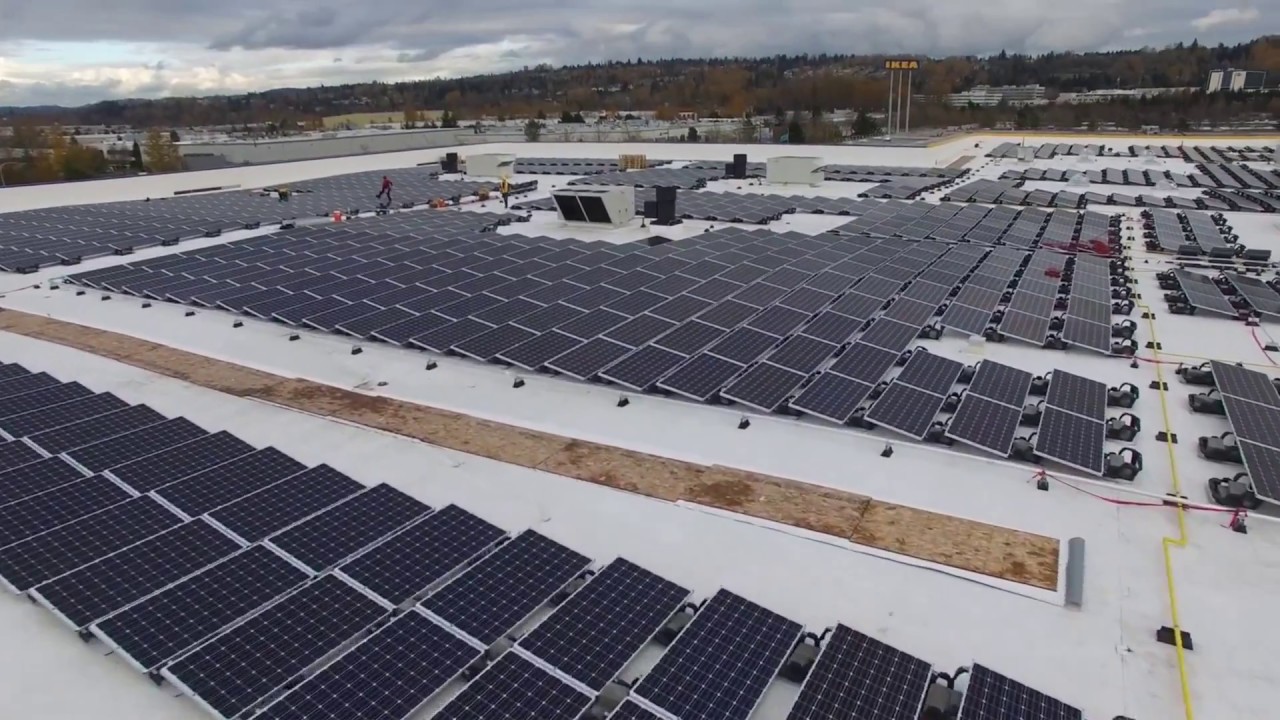
Of course, the amount of money you can save will depend on how many panels you purchase and where they are installed. Since there are several brands out there, you want to look for reviews from people in your part of the country or with similar conditions. While solar panels can all collect during an overcast day, some are better than others. If you happen to live in the Pacific Northwest, you definitely need panels that are rated above average in this regard.
Start by collecting names of several solar panel manufacturers. If you know people who are satisfied with their solar panels, definitely ask them for advice. You will need to focus your search on brands that are not only available in your local market, but that you can have professionally installed. The complex wiring involved with solar panel installation should only be tackled by an experienced professional who has been specifically trained in solar panel installs.
The good news is that an increasing number of communities have specialists who have the certifications necessary to handle this task. If there is not one in your city, you might need to pay a bit more to have your solar panels installed. However, it will still be worth it in the long run.
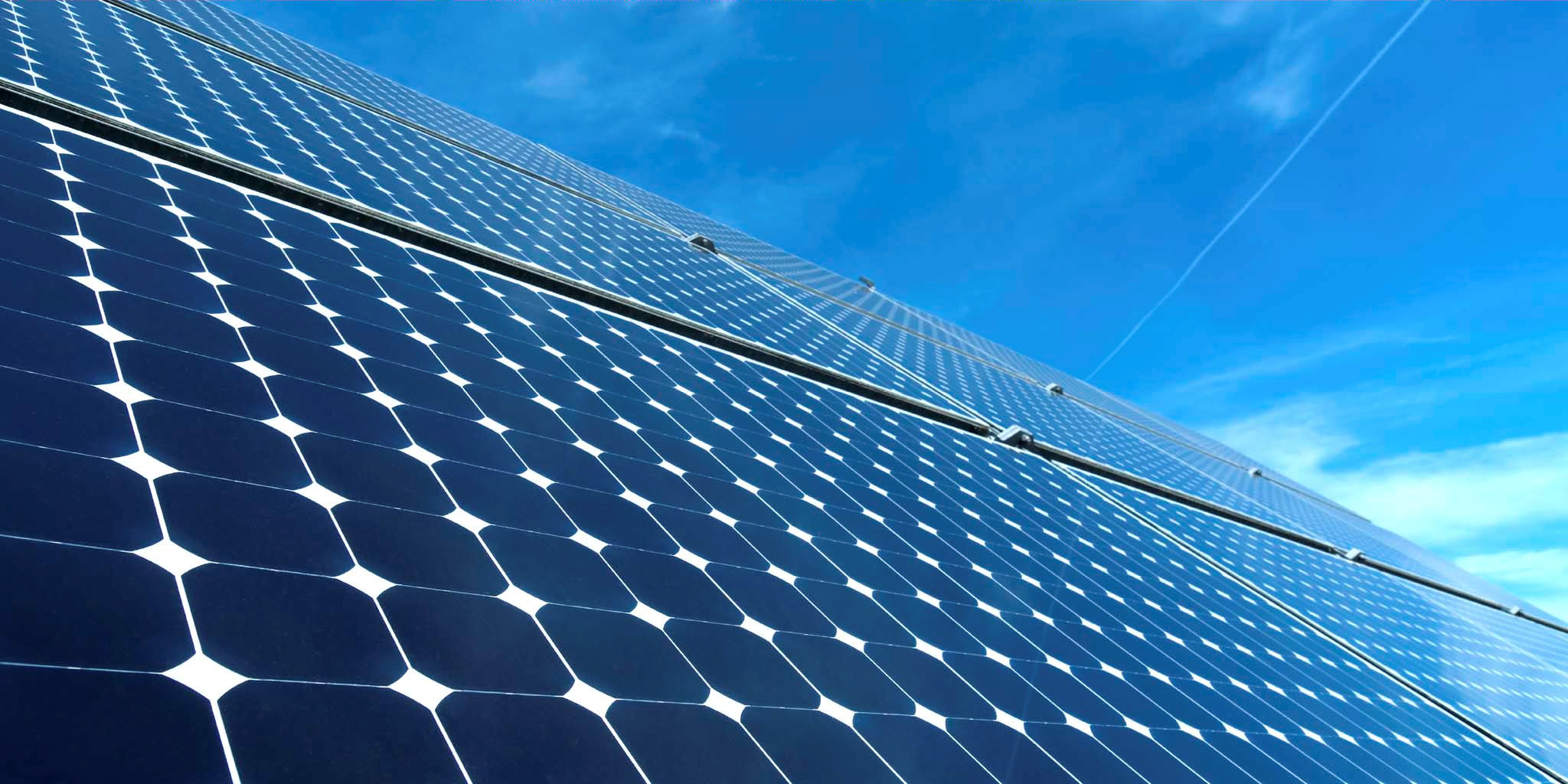
Solar panels can be configured in a variety of ways, so choose a brand that you will be able to get the most out of regarding power usage and space conservation. The panels should be as unobtrusive as possible while maximizing light exposure throughout the day. If you intend to add more panels in the future, take this into consideration when you are designing your solar power plans. Doing so will help you make better choices today.
Find the brand of solar panels and setups most compatible with the local weather and your property needs. Doing so will put you on the right path toward getting your electrical needs well taken care of.
Read more link textIf you have recently installed solar panels at your home, and you want to maximize the electricity that you are generating how there are certain strategies that you can use. Many people believe that they can generate enough to get completely off the grid, but sometimes that's not possible. If you do not have a south facing you, or enough solar panels, you may only be able to supplement your total electricity usage. That's why it's important to work with a company that provides you with monocrystalline solar panels which are the most energy efficient. Here are a few tips that you can use to maximize your solar savings every day, even if you are using polycrystalline solar panels instead.
 The first step of the process is to make sure that you can minimize the amount of electricity that you use every day. For example, if you are constantly leaving the lights on, or if you are staying up late at night, you are going to use more electricity than you might produce. These are problems that people run into, and these are simply habits that you can modify. By doing so, you will end up storing more electricity in the batteries for usage for emergencies, plus you will have plenty left over after generating electricity throughout the day.
 One tip that you should consider before getting your solar installation is to ensure that you have enough solar panels. You may want to consider doubling up on the amount you are considering with your purchase. This is going to make it easier for you to only use solar energy. This might be a little bit more money, but in the end, you are going to have a much more efficient system.
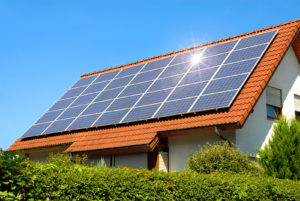
Another tip that you can use prior to the installation is to make sure that you have the best view. All solar panels are going to face the South, especially in the northern hemisphere, because that is where the sun is going to be most visible. If possible, you should try to position these on your roof. The higher that they are, the more exposure they will get by avoiding potential shadows that could be cast on them near the ground level.
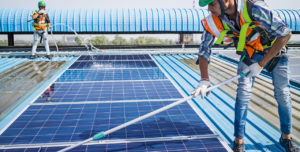 It is possible that dust, dirt and pollen can fall onto the surface of the solar panels, making it difficult for those solar cells to absorb light. Solar energy is created because of a chain reaction caused by electrons released from the silicon used when exposed to sunlight. By keeping the surface clean, you can maximize the amount of electricity you are able to produce daily.
Most of the electric companies that produce electricity are going to charge you more during peak usage hours. This is typically between the hours of 7 AM and 7 PM. By utilizing what you have stored the previous day from your solar set up, you won't be using electricity during these times. Once the sun goes down, you can then start using discounted electricity during the subsequent 12 hours. In fact, it's during the evening hours that we tend to use the least amount of electricity, and this will help you save even more on your electric bill.
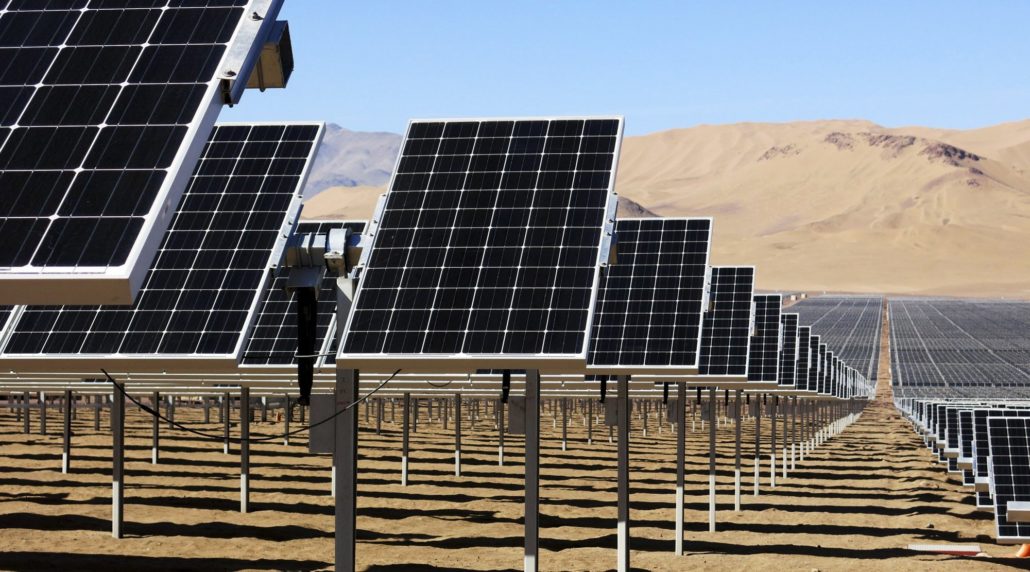
These simple tips for installing and using your solar panels properly will help you save as much money as possible on your electric bill. You may even have enough left over, if your solar panel set up is large enough, to sell electricity to the electric company. It really is that easy to maximize how efficient your solar panels, or your solar array, is going to be. As long as you are installing monocrystalline solar panels, which are the most efficient, you will see a dramatic drop in your electricity consumption along with using these tips.
Read more link text How to Prepare Your Solar System for Winter WeatherAugust 18, 2023 - 12:29 pm
 Harnessing the Power of the Sun: Exploring Photovoltaic...August 21, 2023 - 8:45 amHow to Prepare Your Solar System for Winter WeatherAugust 18, 2023 - 12:29 pm
In an era marked by the urgency of mitigating climate change and transitioning to sustainable energy sources, photovoltaic cells have emerged as an integral technology in the realm of renewable energy. But what exactly are photovoltaic cells, and how do they play a vital role in shaping our energy landscape? In this blog post, we will delve into the world of photovoltaic cells, uncovering their mechanism, benefits, and potential impact on our planet’s future.
At its core, a photovoltaic (PV) cell, commonly known as a solar cell, is an electronic device that directly converts sunlight into electricity. This process, known as the photovoltaic effect, was first observed by French physicist Edmond Becquerel in 1839. However, it wasn’t until several decades later that PV cells evolved into practical sources of renewable energy.
PV cells are typically made from semiconductor materials, with silicon being the most commonly used material due to its abundant availability and favorable electronic properties. When sunlight—composed of tiny packets of energy called photons—strikes the surface of a PV cell, it can dislodge electrons from their normal positions within the semiconductor material. This displacement of electrons generates an electric current, which can then be harnessed for various applications, from powering homes to charging electric vehicles.
The working principle of a photovoltaic cell is based on the interaction between photons and electrons within the semiconductor material. This interaction involves several key steps:
As global efforts to transition to sustainable energy sources intensify, the role of photovoltaic cells becomes increasingly crucial. Advances in technology have led to improved efficiency, reduced costs, and greater integration possibilities for PV systems. Research continues to focus on enhancing the efficiency of PV cells, exploring new materials, and developing innovative designs to harness even more of the sun’s energy.
In conclusion, photovoltaic cells stand as a testament to human ingenuity and innovation in harnessing the power of the sun. With their ability to convert sunlight into electricity, these cells offer a promising solution to our energy needs while contributing to a cleaner, greener future for generations to come. As the world embraces renewable energy, photovoltaic cells will undoubtedly play a central role in shaping the landscape of sustainable power generation.
Are you interested in making the switch to solar energy, at least partially? Do you want to know which solar panel brands have the best reputation in the industry? While there are many contenders, you have several options available, each with benefits and drawbacks. You can take a look at the information available and decide for yourself which solar panels are most suitable for your property or properties.
First of all, it is important to take a look at energy choices and how they impact your life. Since indoor wiring became a common thing across the nation, most folks have depended on their local utility companies to provide them with home power. While some might have continued to use wood to heat the home, or switched to natural gas for their kitchen appliances, the majority of home energy consumption across the country was used and tracked through the local utility. However, that practice has come under scrutiny in recent years.
The electrical companies have different ways of creating power for their customers, including dams. Each has some degree of environmental impact that causes concerns for those who are dependent on the power supply and those who live near the plants. As with motor vehicles, the industry is highly reliant on fossil fuels, which are not going to last forever. The more folks that see and accept this reality, the more available alternatives become.
The modern homeowner has the opportunity to use solar panels to create their own electricity. In the event more energy is created than used, the power company can buy the excess. Rather than receiving an electric bill every month, some people have enough panels to receive a monthly check from their utility provider.
Of course, the amount of money you can save will depend on how many panels you purchase and where they are installed. Since there are several brands out there, you want to look for reviews from people in your part of the country or with similar conditions. While solar panels can all collect during an overcast day, some are better than others. If you happen to live in the Pacific Northwest, you definitely need panels that are rated above average in this regard.
Start by collecting names of several solar panel manufacturers. If you know people who are satisfied with their solar panels, definitely ask them for advice. You will need to focus your search on brands that are not only available in your local market, but that you can have professionally installed. The complex wiring involved with solar panel installation should only be tackled by an experienced professional who has been specifically trained in solar panel installs.
The good news is that an increasing number of communities have specialists who have the certifications necessary to handle this task. If there is not one in your city, you might need to pay a bit more to have your solar panels installed. However, it will still be worth it in the long run.
Solar panels can be configured in a variety of ways, so choose a brand that you will be able to get the most out of regarding power usage and space conservation. The panels should be as unobtrusive as possible while maximizing light exposure throughout the day. If you intend to add more panels in the future, take this into consideration when you are designing your solar power plans. Doing so will help you make better choices today.
Find the brand of solar panels and setups most compatible with the local weather and your property needs. Doing so will put you on the right path toward getting your electrical needs well taken care of.
If you have recently installed solar panels at your home, and you want to maximize the electricity that you are generating how there are certain strategies that you can use. Many people believe that they can generate enough to get completely off the grid, but sometimes that’s not possible. If you do not have a south facing you, or enough solar panels, you may only be able to supplement your total electricity usage. That’s why it’s important to work with a company that provides you with monocrystalline solar panels which are the most energy efficient. Here are a few tips that you can use to maximize your solar savings every day, even if you are using polycrystalline solar panels instead.
The first step of the process is to make sure that you can minimize the amount of electricity that you use every day. For example, if you are constantly leaving the lights on, or if you are staying up late at night, you are going to use more electricity than you might produce. These are problems that people run into, and these are simply habits that you can modify. By doing so, you will end up storing more electricity in the batteries for usage for emergencies, plus you will have plenty left over after generating electricity throughout the day.
One tip that you should consider before getting your solar installation is to ensure that you have enough solar panels. You may want to consider doubling up on the amount you are considering with your purchase. This is going to make it easier for you to only use solar energy. This might be a little bit more money, but in the end, you are going to have a much more efficient system.
Another tip that you can use prior to the installation is to make sure that you have the best view. All solar panels are going to face the South, especially in the northern hemisphere, because that is where the sun is going to be most visible. If possible, you should try to position these on your roof. The higher that they are, the more exposure they will get by avoiding potential shadows that could be cast on them near the ground level.
It is possible that dust, dirt and pollen can fall onto the surface of the solar panels, making it difficult for those solar cells to absorb light. Solar energy is created because of a chain reaction caused by electrons released from the silicon used when exposed to sunlight. By keeping the surface clean, you can maximize the amount of electricity you are able to produce daily.
Most of the electric companies that produce electricity are going to charge you more during peak usage hours. This is typically between the hours of 7 AM and 7 PM. By utilizing what you have stored the previous day from your solar set up, you won’t be using electricity during these times. Once the sun goes down, you can then start using discounted electricity during the subsequent 12 hours. In fact, it’s during the evening hours that we tend to use the least amount of electricity, and this will help you save even more on your electric bill.
These simple tips for installing and using your solar panels properly will help you save as much money as possible on your electric bill. You may even have enough left over, if your solar panel set up is large enough, to sell electricity to the electric company. It really is that easy to maximize how efficient your solar panels, or your solar array, is going to be. As long as you are installing monocrystalline solar panels, which are the most efficient, you will see a dramatic drop in your electricity consumption along with using these tips.